
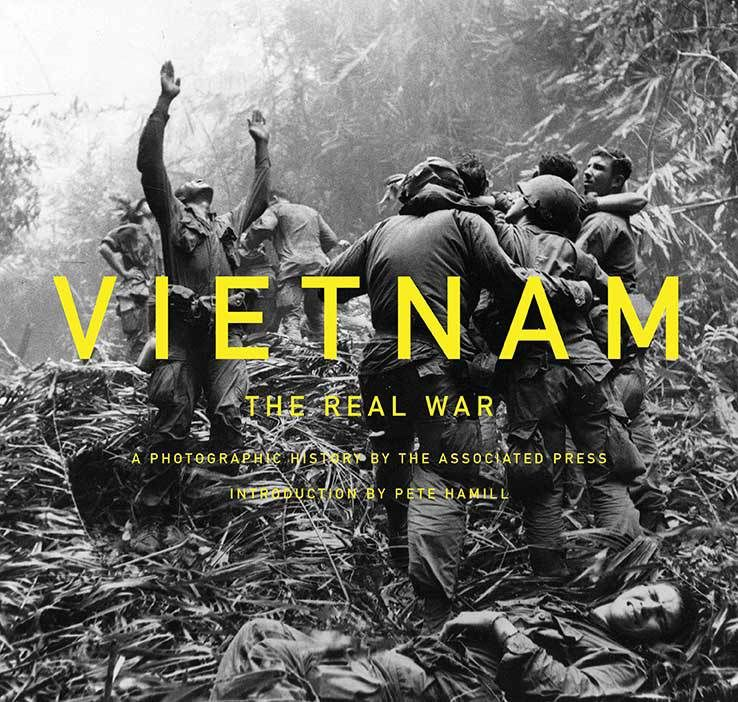
Every time someone asks me about books about the Vietnam war, I pause for a second. Not because there aren’t many. There are a lot. But because the question feels bigger than it sounds.
What are they really asking?
Are they looking for history?
For emotion.
For truth.
For something that explains why that war still feels heavy.
The Vietnam War wasn’t simple. It wasn’t clean. It wasn’t something everyone agreed on. And the books written about it reflect that.
Some are angry.
Some are quiet.
Some are confused.
Some are reflective.
That mix is important.
It’s Not Just About Fighting
A lot of people assume books about the Vietnam war are all about jungle battles and helicopters. Sure, that’s part of it. But the books that stay with you usually go beyond that.
They talk about waiting. A lot of waiting.
They talk about heat that never leaves. Boots that never dry. Letters that take forever to arrive. They talk about missing home more than they talk about strategy.
And that’s when it starts to feel real.
Because war is not only action. It’s daily life under pressure.
The Memoirs Feel Close
If someone is new to books about the Vietnam war, they often start with memoirs. Memoirs feel like someone sitting across from you and talking.
Not polished. Not dramatic. Just telling it as they remember it.
A Rumor of War by Philip Caputo is one that gets mentioned often. It doesn’t pretend everything made sense. It shows how fast expectations changed once people were actually there.
Then there’s The Things They Carried by Tim O’Brien. It’s part memory, part fiction. Some readers argue about which is which. But that’s kind of the point. It shows how memory works. How stories shift. How guilt and fear stay long after the fighting ends.
Memoirs don’t always give answers. They give perspective.
Fiction Does Something Different
Novels about Vietnam approach things differently. Fiction can step into a character’s thoughts in a deeper way.
You’re not just told what happened. You’re shown how it felt inside someone’s head.
Fields of Fire by James Web is one that many readers connect with. It focuses on young Marines trying to survive and trying to understand what they’re part of.
Some novels are quieter. They focus on one person’s slow unraveling. Or one friendship that changes everything.
Fiction allows writers to explore emotion without being tied to one exact timeline.
That freedom sometimes makes it easier to understand the emotional truth.
Vietnamese Voices Add Depth
For years, many English language books about the Vietnam war focused mostly on American soldiers. That has changed.
More Vietnamese writers have shared their stories. The Sorrow of War by Bao Ninh is one example. It gives a very different feeling. The same conflict. A different perspective.
Reading both sides doesn’t solve anything. But it makes the picture wider.
Coming Home Is Part of the Story
One thing that stands out in many books about the Vietnam war is how much space they give to life after.
Coming home wasn’t simple. Some veterans felt ignored. Some felt blamed. Some felt like strangers in their own towns.
The war didn’t stop just because the fighting did.
Books that explore this part often feel heavier. Sometimes harder to read. But they show something important. War changes people in ways that don’t disappear.
Why People Still Read These Books
The Vietnam War ended decades ago. So why do people still search for books about the Vietnam war?
Maybe because it raised questions that never fully settled.
Maybe because so many families were touched by it.
Maybe because it was one of the first wars shown on television every night.
Or maybe because it reminds people how complicated war really is.
Whatever the reason, these books are still being read. Still being passed around. Still being discussed.
There Isn’t Just One “Best” Book
People often ask for the best book about Vietnam. That’s tricky.
For one person, it might be a memoir that feels brutally honest.
For someone else, it might be a novel that captures confusion and doubt perfectly.
There isn’t one answer. There are entry points. Different doors into the same complicated story.
What Stays With Readers
After finishing books about vietnam war, most people don’t remember specific dates.
They remember moments.
A quiet night in the jungle.
A friend who didn’t make it home.
A letter folded too many times.
A veteran standing alone at a parade.
It’s those small, human details that stick.
And maybe that’s the real reason these books continue to matter.
They remind readers that history isn’t just policy and politics. It’s people.
FAQs
What are some widely recommended books about the Vietnam war?
Readers often suggest The Things They Carried by Tim O’Brien, A Rumor of War by Philip Caputo, Fields of Fire by James Webb, and The Sorrow of War by Bao Ninh.
Are memoirs better than novels for understanding the Vietnam War?
Memoirs provide firsthand experience. Novels explore emotional depth and inner conflict. Reading both gives a fuller picture.
Do books about vietnam war include Vietnamese perspectives?
Yes. Writers like Bao Ninh have shared stories from the Vietnamese side, offering important insight into the conflict.
Do these books only focus on combat?
No. Many explore daily life, waiting, fear, and life after the war, not just battles.
Why is the Vietnam War still written about so much?
Because it deeply affected soldiers, families, and society. The emotional and political impact still echoes today.
