
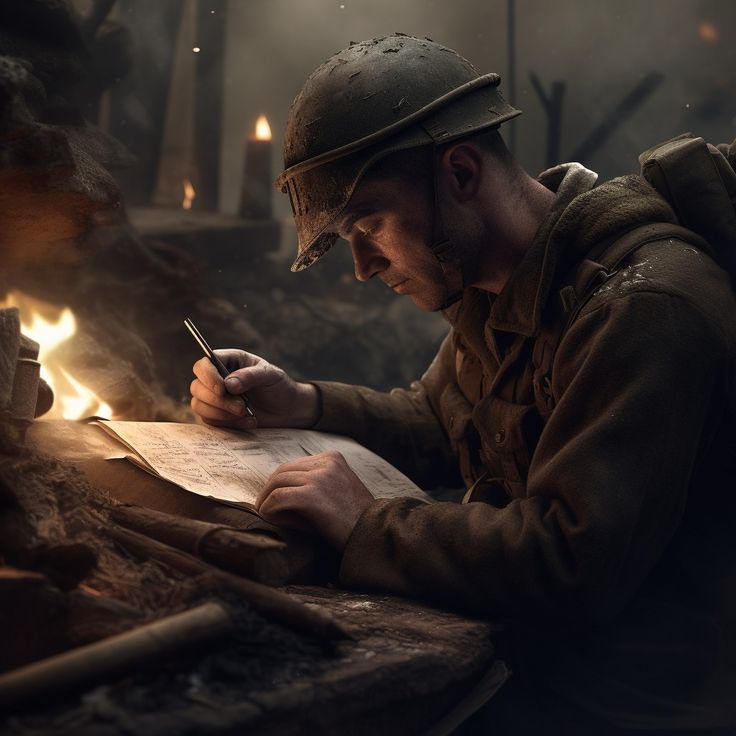
When people hear the phrase military memoir author, they usually think about a soldier who wrote a book. That’s true, but it feels a bit too simple.
Because writing a memoir like that isn’t just about putting events on paper. It’s about deciding what to say and what to leave out. It’s about remembering things you might not want to remember. And sometimes, it’s about trying to explain something that doesn’t come out clearly, no matter how many times you try.
Not every soldier writes. And not every writer was a soldier. But when someone becomes a military memoir author, they are doing something specific. They are taking lived experience and turning it into something others can sit with.
That’s not easy.
It Starts With Memory
A military memoir author doesn’t usually begin with a perfect outline. It often starts with one memory.
Something small.
A moment that stayed.
A detail that won’t go away.
Maybe it’s a conversation. Maybe it’s a place. Maybe it’s a feeling more than anything else.
From there, more memories show up. Not in order. Not neatly. Just… pieces.
And the writer has to decide how to put those pieces together.
Not Everything Fits Into Words
One thing that becomes clear when reading memoirs is that not everything can be explained properly.
A military memoir author might try to describe a moment, but the words feel limited. So they circle around it. They come back to it later. They describe it from another angle.
You see repetition sometimes. That’s not a mistake. That’s someone trying to get closer to what they mean.
Some experiences don’t sit comfortably in sentences.
Writing Is Not the Same as Talking
People often say, “why didn’t they just tell their story earlier?”
But writing and talking are different.
Talking is quick. You say something and move on. Writing stays. You see it again. You edit it. You question it.
For a military memoir author, that can slow things down. It can take years before something feels ready to share.
And even then, it might not feel complete.
There Is No One Way to Tell It
Not all memoirs sound the same.
Some military memoir authors write very directly. Short sentences. Simple words. Almost like they’re reporting what happened.
Others take a more reflective path. They pause. They think. They question themselves on the page.
Some books feel quiet.
Some feel tense.
Some feel scattered.
That difference is important. It shows that experience is not one-size-fits-all.
The Role of Honesty
When people read a memoir, they are usually looking for honesty. Not perfection. Not hero stories.
A military memoir author often writes about things that are uncomfortable.
Doubt.
Fear.
Mistakes.
Moments they wish had gone differently.
That honesty is what makes readers stay with the story. It feels less like performance and more like someone being real.
The Parts That Stay Unsaid
Something else happens in memoirs that people don’t always notice.
What’s not said.
A writer might skip over something quickly. Or mention it once and never return to it. That absence can stand out.
It makes you wonder. It makes you pause.
A military memoir author doesn’t have to explain everything. Sometimes the silence tells its own version of the story.
Time Changes the Story
When a memoir is written years after the events, something shifts.
The memory is still there, but the perspective is different.
A military memoir author looking back might understand things in a new way. Or still not understand them at all.
You see reflection. Sometimes regret. Sometimes acceptance.
Sometimes just questions.
Readers Bring Their Own Thoughts
Once a memoir is published, it doesn’t belong only to the writer anymore.
Readers bring their own ideas, their own expectations.
Some read carefully.
Some read quickly.
Some focus on details.
Some focus on emotions.
A military memoir author can’t control that part. They just tell the story as they see it.
What happens after that is out of their hands.
Why These Books Keep Getting Written
Even now, people continue to become military memoir authors.
Not because everything has already been said.
But because each experience is different.
New voices come in. New perspectives. Different wars. Different roles. Different backgrounds.
The form stays the same, but the stories keep changing.
It Is Not About Having the “Perfect” Story
You don’t have to have the most dramatic experience to write a memoir.
Some of the strongest books focus on ordinary days.
Routine.
Waiting.
Small interactions.
A military memoir author doesn’t need to prove anything. They just need to be honest about what they saw and felt.
That’s enough for a reader to connect.
Final Thoughts
A military memoir author is not just someone who writes about war.
They are someone who sits with memory and tries to shape it into something that can be shared.
It doesn’t come out clean. It doesn’t come out perfect.
Sometimes it circles. Sometimes it pauses. Sometimes it feels unfinished.
But that’s what gives it weight.
Because it feels like someone trying to tell the truth as best as they can.
FAQs
1. What does a military memoir author write about?
They write about personal experiences related to military life. This can include daily routines, emotions, relationships, and moments that stayed with them over time.
2. Are military memoirs always about combat?
No. Many focus on waiting, routine, and personal reflection rather than action. Some barely mention combat at all.
3. Why do some memoirs feel repetitive?
Because memory works that way. Writers return to certain moments while trying to explain them clearly.
4. Do all soldiers become military memoir authors?
No. Only some choose to write. Many keep their experiences private.
5. Are these books completely factual?
They are based on memory, which can shift over time. The goal is usually to reflect experience honestly, not to document every detail perfectly.
