
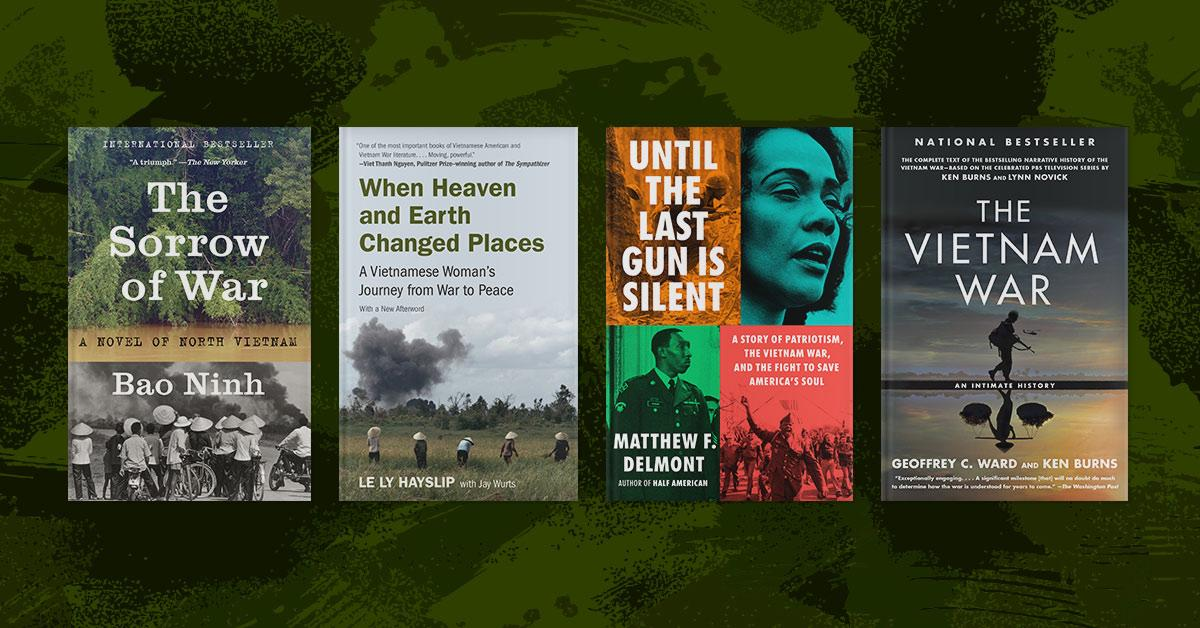
When people hear “vietnam books,” they usually think of war right away. Soldiers. Jungles. Helicopters. All that.
But when you actually start reading them, it’s not always like that.
A lot of these books feel quieter than expected. Slower too. Sometimes nothing big is happening, but it still holds your attention. You’re just following someone’s day. Or their thoughts. Or something small they noticed.
And somehow, that ends up feeling more real than anything loud.
Not Every Book Is the Same
That’s the first thing you notice.
Some Vietnam books are memoirs. Someone writing what they lived through.
Some are novels. Made-up characters, but still based on real situations.
Some are written by American soldiers. Others by Vietnamese writers.
Same war, completely different voices.
You read one book and it feels direct. Another one feels emotional. Another one feels confusing, like the writer is still trying to figure things out.
There isn’t one tone that fits everything.
The War Is There, But So Is Everything Else
Yes, a lot of Vietnam books talk about war. That part is obvious.
But there’s more going on.
You read about people missing home.
About friendships forming quickly.
About boredom that turns into tension.
About small routines that keep people steady.
It’s not always about action. Sometimes it’s just about getting through the day.
And honestly, those parts stick more.
The Small Details Stay With You
You don’t always remember the big scenes.
You remember smaller things.
A letter being read again.
Someone sitting quietly.
A short conversation that feels heavier than it should.
Vietnamese books are full of these moments.
At first, they don’t seem important. But later, you realize they are.
Because they feel lived.
Vietnamese Writers Show a Different Side
For a long time, many people only read Vietnam books written from one side.
Now there’s more access to Vietnamese voices too.
Those books feel different. Not in a dramatic way, just in perspective.
You see daily life in villages.
Families trying to stay safe.
People dealing with changes they didn’t choose.
It adds something that was missing before.
You start to see that the same event can feel completely different depending on where you stand.
Real Example: Bao Ninh
Bao Ninh wrote The Sorrow of War.
It doesn’t follow a straight timeline. It moves around. Memories come back suddenly.
You read it and sometimes feel a bit lost. But that’s intentional. It feels like someone remembering, not organizing.
That’s what makes it stand out.
Real Example: Tim O’Brien
Tim O’Brien writes in a different way.
In The Things They Carried, he mixes fact and fiction. Some parts feel like stories. Some feel like memory.
He focuses on objects, thoughts, and feelings more than events.
You don’t always know what’s real and what’s shaped. But you still understand what he’s trying to say.
You Don’t Always Get Clear Answers
One thing that surprises readers is how often Vietnam books leave things open.
No clear explanation.
No perfect ending.
No full closure.
At first, it feels incomplete.
Then you realize, that’s how it was for the people living through it too.
Not everything made sense at the time. And not everything makes sense later either.
Coming Home Feels Strange in These Books
A lot of Vietnamese books spend time on what happens after.
You would think that’s the easy part. It’s not.
People come back, but things feel off.
Conversations don’t flow the same.
Daily routines feel different.
Some people don’t talk about what they went through at all.
Those parts are written quietly. No big drama. Just small moments.
And they stay with you.
Why People Still Read Vietnam Books
The war ended years ago. Still, people keep picking up Vietnam books.
Maybe it’s because they don’t feel like distant history.
They feel close.
They feel like someone trying to explain something honestly, even if they don’t fully have the words.
And readers connect with that.
What You Take Away
You don’t walk away with just information.
You walk away with feeling.
A scene that stayed in your head.
A line that felt simple but heavy.
A moment you didn’t expect to remember.
That’s what these books do.
They don’t need to be loud to stay with you.
Final Thoughts
Vietnam books are not all the same. They don’t follow one pattern. They don’t try to sound perfect.
Some feel scattered.
Some feel quiet.
Some feel direct.
But when they’re honest, you can tell.
And that’s what keeps people reading them.
FAQs
1. What are Vietnam books about?
They usually explore experiences related to the Vietnam War, but also include daily life, emotions, and perspectives from different people.
2. Are all Vietnam books based on real stories?
Not all. Some are memoirs based on real experiences, while others are novels inspired by real events.
3. Why do Vietnam books feel different from other war books?
They often focus more on emotion, confusion, and personal experience rather than just action or strategy.
4. Are there Vietnam books written by Vietnamese authors?
Yes. Writers like Bao Ninh have shared stories from the Vietnamese perspective, adding depth to the understanding of the war.
5. Why are Vietnam books still popular today?
Because they feel personal and human. They help readers understand experiences that are hard to explain in simple terms.
