
When you read soldier’s memoirs, it doesn’t feel like a normal book. It feels slower. Not boring, just… slower in a way that makes you notice things you might usually skip.
You don’t rush through it.
Sometimes you stop after a page. Not because it’s hard to understand, but because it feels heavy in a simple way.
That’s the strange thing about these books. They don’t try too hard. They just sit there, and somehow that works.
It Usually Starts With Something Small
Most soldier’s memoirs don’t begin with action.
They start with something simple.
A place.
A first day.
A feeling of not knowing what’s coming next.
Then slowly, the rest comes in. Not in order. Not neatly.
A writer might jump from one memory to another. One moment feels clear, another feels rushed. That’s not bad writing. That’s just how memory works.
You Don’t Always Get Full Explanations
This is something people notice quickly.
A soldier’s memoir doesn’t always explain everything.
You read about something happening, but you don’t always get a full breakdown of why. Sometimes the writer doesn’t know either.
And instead of forcing an answer, they leave it as it is.
That can feel strange at first. But after a while, it starts to feel honest.
Because real life doesn’t always come with explanations.
The Days Blend Together
One thing that shows up again and again in soldier’s memoirs is how similar the days feel.
Walking.
Waiting.
Listening.
Trying to rest.
Then doing it again.
It sounds repetitive, and it is. But that repetition builds something. You start to feel how long time can stretch when everything around you feels uncertain.
And then suddenly, something happens.
And just as quickly, it’s over.
People Become Important Without Saying Much
In these memoirs, friendships don’t always get long introductions.
You don’t read pages about someone’s background.
You just see them together.
Sharing food.
Sitting next to each other.
Saying something small that doesn’t seem important at first.
And then later, you realize it was important.
Soldier’s memoirs show connection in quiet ways. No big speeches. Just presence.
Fear Is There, Even When It’s Not Mentioned
Not every writer says “I was afraid” directly.
But you can feel it.
In the way they describe sounds.
In the way they talk about staying alert.
In the way they mention not sleeping properly.
Fear sits in the background.
It doesn’t always need to be named.
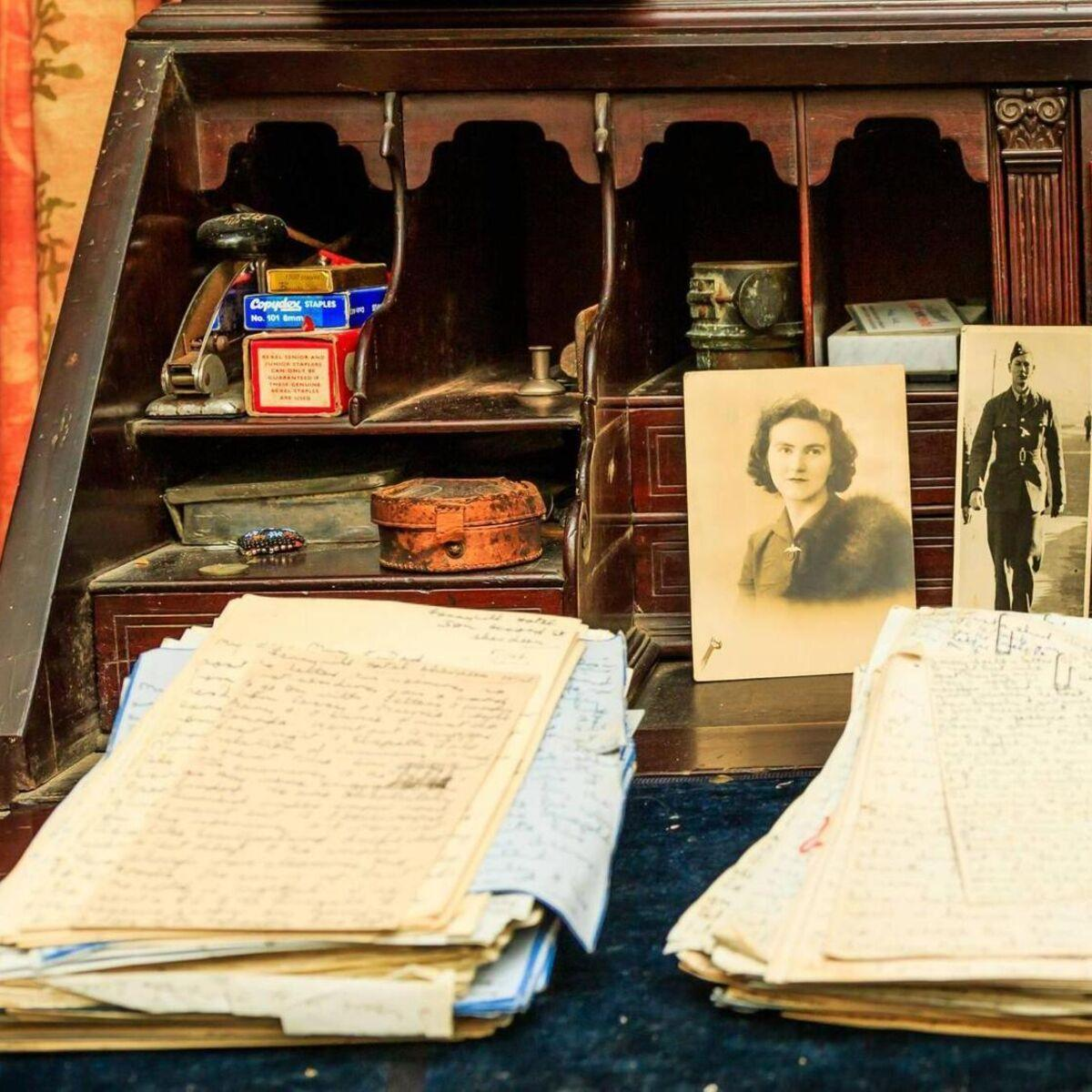
Letters and Small Reminders of Home
Something that comes up often in soldier’s memoirs is how much small things from home meant.
Letters.
Photos.
Even short messages.
These weren’t just objects. They were a connection to another life.
A life that felt far away but still close enough to remember.
Sometimes a writer will mention reading the same letter again and again.
Not because it changed. But because they needed it.
Coming Back Doesn’t Feel Like an Ending
A lot of people think the story ends when the soldier comes home.
But in many soldier’s memoirs, that part feels just as complicated.
Things look familiar, but they don’t feel the same.
Conversations feel different. Silence feels longer.
Some people talk about it. Some don’t.
Some move on quickly. Some take time.
There isn’t one way it goes.
Why These Books Feel Different
There are many books about war. But soldier’s memoirs feel different.
They don’t try to impress you.
They don’t try to sound perfect.
They just tell what happened in the way the writer remembers it.
Sometimes that means repeating things.
Sometimes that means leaving things unfinished.
Sometimes that means saying very little about something that feels big.
And somehow, that makes it stronger.
A Few Real Memoirs People Still Read
Some soldier’s memoirs keep coming up in conversations.
A Rumor of War by Philip Caputo
With the Old Breed by Eugene Sledge
Helmet for My Pillow by Robert Leckie
Each one feels different. Different tone, different pace.
But they all have one thing in common. They don’t feel forced.
They feel like someone trying to explain something honestly.
What Stays After You Finish
You don’t always remember the full story.
You remember moments.
A quiet scene.
A short sentence.
A feeling you didn’t expect.
That’s what sticks.
Not the structure. Not the details.
Just the feeling.
Final Thoughts
Soldier’s memoirs are not about telling everything perfectly.
They are about telling something real.
Even if it’s incomplete.
Even if it feels scattered.
Even if it doesn’t answer every question.
That’s what makes them worth reading.
FAQs
1. What are soldier’s memoirs?
They are personal accounts written by soldiers about their experiences during and after war, focusing on real memories and emotions.
2. Are soldier’s memoirs always about combat?
No. Many focus on daily life, waiting, friendships, and what happens after returning home.
3. Why do soldier’s memoirs feel different from other books?
Because they are based on memory, not structure. They can feel uneven, simple, and very real.
4. Are these memoirs completely accurate?
They reflect personal memory, which may not always be exact, but they aim to be honest.
5. Why do people still read soldier’s memoirs today?
Because they show the human side of war and help readers understand experiences that are hard to explain.
